
Cloudy or muddy water from your borehole can be caused by a number of factors, ranging from recent drilling activity to more persistent issues. Here’s a breakdown of the common reasons why your borehole water might be muddy:
1. Recent Drilling or Development:

- Residual Sediment: If the borehole is newly drilled or has recently undergone development (pumping to clear it), the muddiness is likely due to fine particles of soil, sand, and rock that were disturbed during the drilling process. This is usually temporary and should clear up with continued pumping.
2. High Silt or Clay Content in the Aquifer:
- Geological Formation: The aquifer from which your borehole draws water may naturally contain a high proportion of fine silt or clay particles. These particles can be drawn into the borehole along with the water. This can be a persistent issue depending on the geology of your area.
3. Improper Borehole Construction or Well Design:
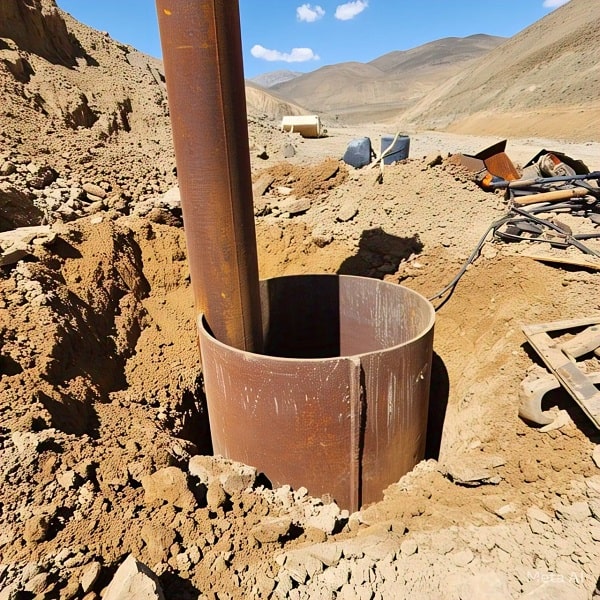
- Inadequate Casing: The casing is a pipe inserted into the borehole to prevent the walls from collapsing and to seal off unwanted water or contaminants from entering. If the casing is not installed properly or doesn’t extend deep enough, loose sediment from the surrounding soil layers can enter the borehole.
- Poor Screen Installation: The screen is a filter-like component at the bottom of the casing that allows water to enter while keeping out larger particles. If the screen size is not appropriate for the aquifer material or if it’s damaged, it can allow fine sediment to pass through.
- Lack of a Sand Trap or Sump: Some borehole designs include a sand trap or sump below the screen to collect sediment. If your borehole lacks this feature or if it’s full, sediment can be drawn into the pump.
4. Over-Pumping:
- Drawing Water Too Quickly: Pumping water at a rate that exceeds the aquifer’s ability to recharge can create strong drawdown and turbulence within the borehole. This can stir up fine sediment that has settled at the bottom or cause finer particles from the aquifer material to be drawn in more readily.
5. Borehole Collapse or Damage:
- Structural Issues: Over time, the borehole casing can corrode, crack, or collapse, allowing soil and sediment to enter. This is a serious issue that can lead to significant problems and may require professional intervention.
- External Factors: Earth movements or nearby construction activities can sometimes damage the borehole structure.
6. Biological Growth (Less Likely for Muddy Water, More for Discoloration):
- While less likely to cause actual “muddiness,” certain iron or manganese bacteria can create slimy biofilms and deposits that might contribute to discoloration or a cloudy appearance in the water. However, true muddiness usually points to sediment.
What You Should Do:
- Continue Pumping: If the borehole is new, continue pumping for an extended period (hours or even days) to see if the water clears up. Avoid using this water for drinking or sensitive applications until it’s clear and tested.
- Check Your Pump Intake: Ensure the pump intake is positioned correctly within the screened section of the borehole and not too close to the bottom where sediment might accumulate.
- Reduce Pumping Rate: Try reducing the rate at which you are pumping water to see if it helps the sediment settle.
- Inspect the Wellhead: Check the wellhead for any signs of damage or openings that could allow surface runoff or contaminants to enter.
- Consider Professional Help: If the muddiness persists, it’s crucial to contact a qualified borehole drilling or maintenance professional. They can:
- Assess the borehole construction: Use specialized equipment to inspect the casing, screen, and overall integrity of the borehole.
- Conduct a yield test: Determine the sustainable pumping rate of your borehole.
- Perform video logging: Lower a camera into the borehole to visually inspect its condition.
- Recommend solutions: This might involve re-developing the well, installing a sand trap, lowering the pump, or in severe cases, even drilling a new borehole.
- Water Filtration: As a longer-term solution, you might need to install a water filtration system designed to remove sediment and other particulate matter. Different types of filters are available depending on the size and type of sediment.
7. Consider Hiring A Professional: Therefore, if you’ve exhausted the initial troubleshooting steps and your borehole water remains persistently dirty, reaching out to Pro Irrigation at info@proirrigation.co.za or visiting their website www.proirrigation.co.za is a prudent course of action to get professional diagnosis and effective solutions.
In summary, persistent muddy water is a sign that sediment is entering your borehole. Identifying the source of this sediment is crucial for finding the right solution. Don’t delay in seeking professional advice if the problem doesn’t resolve with initial pumping.

